Emotion Over Information
People make decisions based on feelings first, then justify them with facts. A campaign that sparks joy, curiosity, or even nostalgia will outperform one filled only with statistics. Emotional storytelling creates a bond between brand and customer that numbers can't achieve alone. In a world of endless scrolling, emotion is the hook that makes someone stop.
Structure Creates Connection
The most effective stories in marketing follow classic narrative structures — setup, conflict, and resolution. This pattern keeps audiences engaged because it mirrors how humans naturally process events. For brands, this could mean framing a customer's problem (conflict) and showing how your product provides the solution (resolution). The science is simple: structured stories feel complete and satisfying.
Storytelling Across Digital Formats
Each platform offers a different way to tell a story. Instagram Reels may deliver a quick emotional punch, while email campaigns allow for a longer narrative arc. Even ads can tell mini-stories in seconds if crafted carefully. Understanding how to adapt storytelling across channels is what makes campaigns cohesive and powerful.
Data Meets Narrative
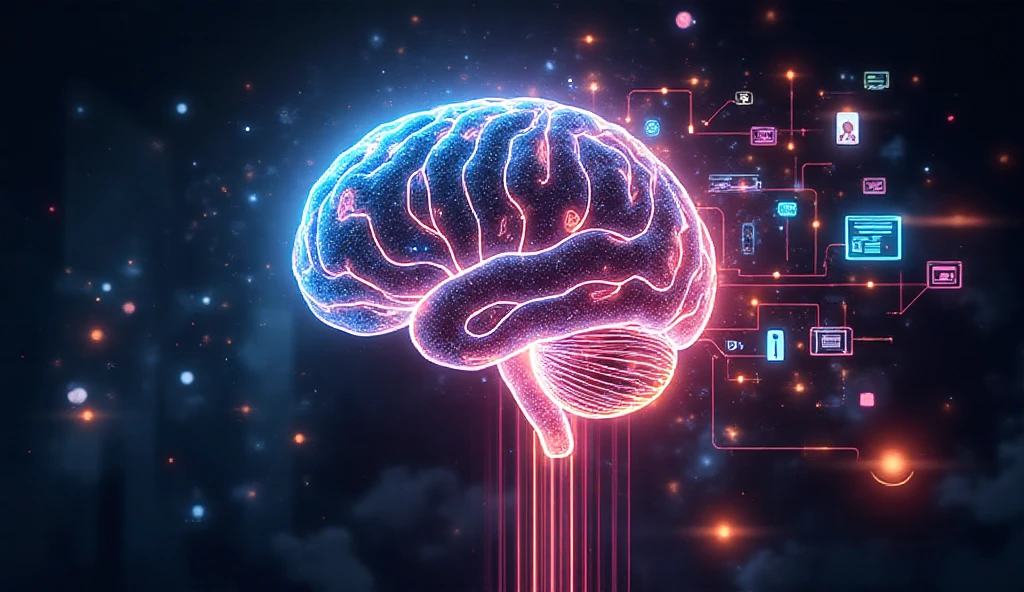
Storytelling isn't opposed to analytics — in fact, the two work best together. Data tells you what audiences care about, while stories bring that data to life in a relatable way. For example, customer testimonials backed by statistics make for compelling content. The future of marketing lies in weaving hard numbers into human-centered narratives.
Authenticity Builds Trust
In digital marketing, authenticity is the difference between connection and rejection. Overly polished stories can feel fake, while real customer journeys resonate deeply. Brands that highlight genuine voices, behind-the-scenes moments, or imperfect but human experiences build long-term loyalty. Authentic storytelling is not just a tactic — it's a trust strategy.
Stories That Drive Action
The end goal of storytelling in campaigns isn't just to entertain — it's to inspire action. Whether it's a purchase, a sign-up, or simply a share, good stories guide the audience toward the next step naturally. By weaving a clear call-to-action into the narrative, marketers ensure that the emotional impact translates into measurable results. Storytelling without action is art, but storytelling with action is marketing.
Digital campaigns without stories risk being scrolled past and forgotten. The science of storytelling proves that humans respond to emotion, structure, and authenticity far more than to data alone. In the future of digital marketing, the brands that tell the best stories will win not just attention, but loyalty and impact. Every marketer has tools at their disposal — but those who master storytelling will have the ultimate edge.
Enjoyed this article?
Join 1,000+ readers who receive our best marketing tips every week.