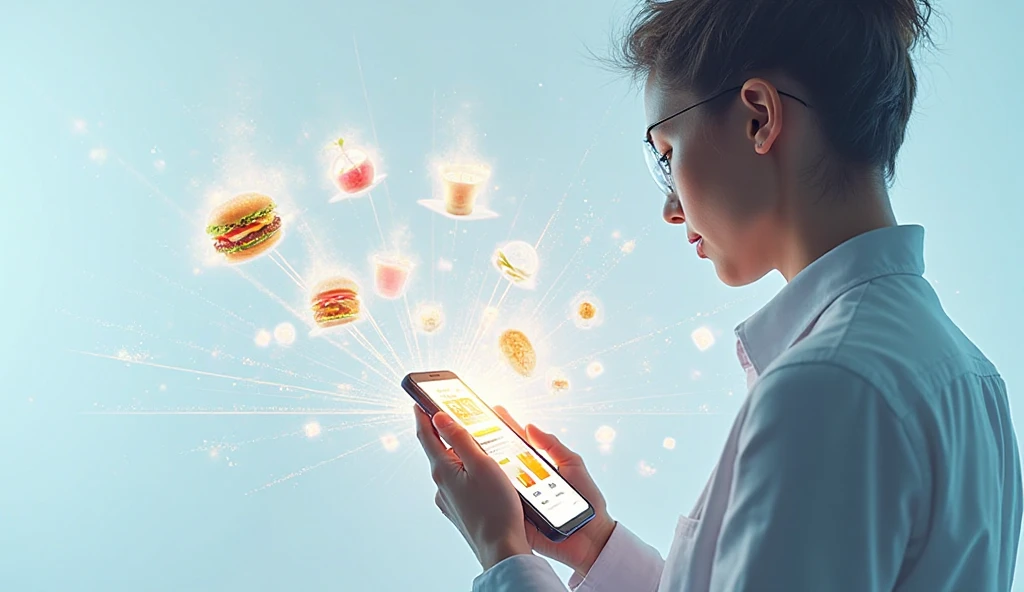
You've probably noticed it — you open Instagram or TikTok and suddenly see an ad for a new snack, coffee, or restaurant you didn't even know existed. You weren't searching for it, but there it is, looking delicious. Before you know it, you've clicked "Add to Cart."
That's not coincidence — it's strategy. Digital ads have become so personalized and intuitive that they're reshaping how we think about food, cravings, and even grocery shopping. The modern shopper isn't just walking through aisles anymore — they're scrolling through algorithms.
1. Cravings Powered by Data
Every time you like a food video, watch a cooking tutorial, or search "easy dinner recipes," you're teaching algorithms what makes you hungry. Platforms like Meta, Google, and TikTok use that data to serve you food ads that hit exactly when your cravings are strongest.
That's why you might see an ad for fresh pizza at 6 PM — not by chance, but because the data says that's when people are most likely to order food. Brands have learned to tap into micro-moments — those small windows of time when intent meets opportunity.
It's not manipulation — it's precision storytelling, built on understanding human behavior at scale.
2. The Rise of Visual Food Marketing
Food has always been visual, but digital ads turned it into an art form. High-speed cameras capture melted cheese stretches, sizzling pans, and slow-drip coffee like cinematic experiences. These ads trigger sensory responses — you can almost taste what you see.
For marketers, this is gold. Visual food marketing taps into emotion, not logic. You don't need to explain why that burger looks good — your brain already decided. That's why Instagram Reels, YouTube Shorts, and TikTok are filled with bite-sized food moments designed to make you stop scrolling and start craving.
3. Grocery Shopping Without Aisles
Digital ads have quietly made online grocery shopping second nature. Instead of flipping through flyers, we see promoted posts for "healthy snack boxes," "meal kits," or "next-day grocery delivery." These ads don't just sell — they simplify.
Big retailers like Amazon Fresh, Walmart, and Instacart use predictive analytics to show you what you'll likely need before you realize it yourself. Need milk? Your feed already knows. That's the power of anticipatory marketing — predicting needs before they're spoken.
4. Influencers and Authentic Food Marketing
The most powerful food ads today often don't feel like ads at all — they come from creators. Influencers, chefs, or even everyday food lovers film their favorite products in natural, relatable ways. That's why influencer marketing has overtaken traditional commercials in the food world.
It's not just about showing food — it's about showing trust. When people see someone they like or follow enjoying a product, it feels genuine. The ad blends into the content seamlessly — and that's exactly what makes it effective.
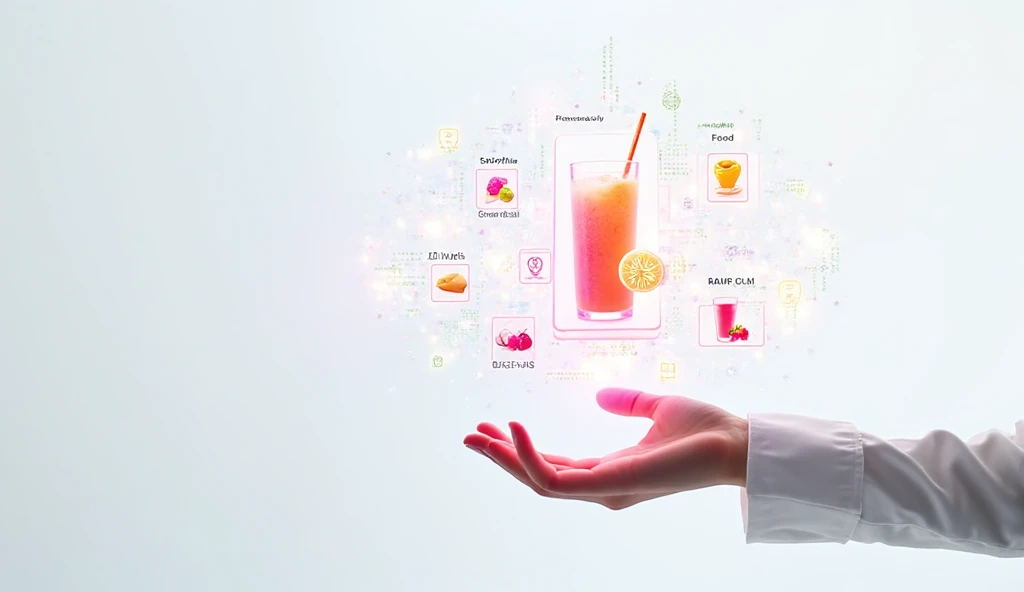
5. The Future: Hyper-Personalized Appetite
In the near future, AI and AR will push this even further. Imagine pointing your phone at your fridge and getting recipe ads based on what you already have. Or scrolling through TikTok and seeing a "Buy Now" button pop up when a chef uses a certain ingredient.
We're entering an era where food marketing won't just find you — it will adapt to you. Personalized, contextual, and instant.
Digital ads have turned food marketing into a psychological, data-driven experience — one that feels more like discovery than advertising. We don't just shop for food anymore; we're inspired to crave it.
So next time you're scrolling and suddenly order something you saw on TikTok, remember: you didn't find that ad — that ad found you.
🔥 Lovket Lab takeaway: Digital marketing isn't about selling — it's about shaping moments. The brands winning the food game aren't louder; they're smarter, faster, and more in tune with what makes people hungry — literally and emotionally.
Enjoyed this article?
Join 1,000+ readers who receive our best marketing tips every week.